
London
The UK's largest economy and its deepest property market, with steady demand from renters, students and global employers.
Overview
London is home to around nine million people and many of Europe's largest company headquarters. Its universities, financial and creative industries and transport network draw people from across the world, which keeps demand for rented homes high across most of the city. There are no restrictions on foreign buyers, and the legal framework is well established.
Why investors look here
- High and steady demand for homes and business space
- A diverse, international workforce and over 400,000 students
- Major regeneration areas with new transport links, such as the Elizabeth line
- No restrictions on foreign ownership of property
- A wide choice, from studios in Zone 2 to family homes and prime central apartments
Market at a glance
| Area type | Typical price | Typical gross yield |
|---|---|---|
| Prime central areas | £1.3m to £2m | · |
| Regeneration zones | £570,000 to £900,000 | · |
| Family neighbourhoods | £540,000 to £825,000 | · |
| Commercial property | · | 4% to 6% |
Indicative ranges based on 2025 market data and our experience, not a forecast. Yields are before costs.
Getting around
The Underground, Overground, DLR and Elizabeth line link the city's zones, and Heathrow, Gatwick, Stansted, Luton and London City airports connect it to Istanbul and the rest of the world. Journey time to the centre, not distance, drives rents, so homes near a station usually let fastest.
Things to consider
- Entry prices and service charges are higher than in other UK cities, so gross yields are usually lower
- Zone and station matter more than postcode: compare journey times to the main employment centres
- New build homes in regeneration areas often come with residents' facilities that support rents but raise service charges
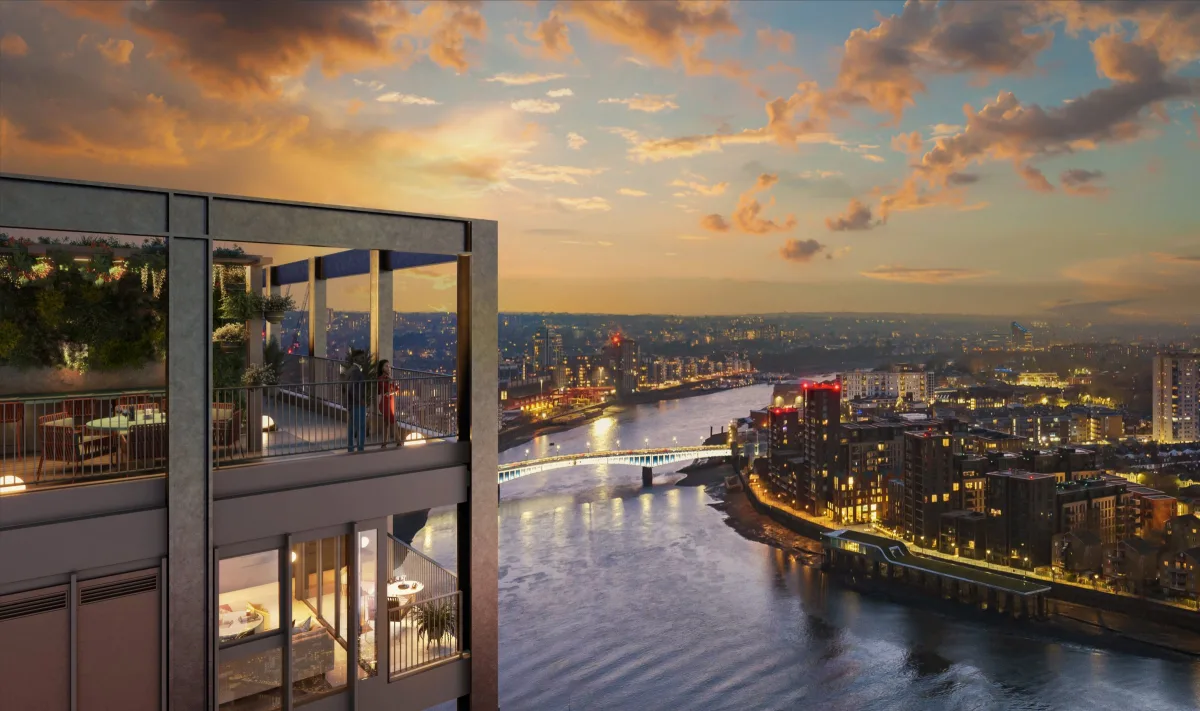 Off plan
The HiLight
Wandsworth, London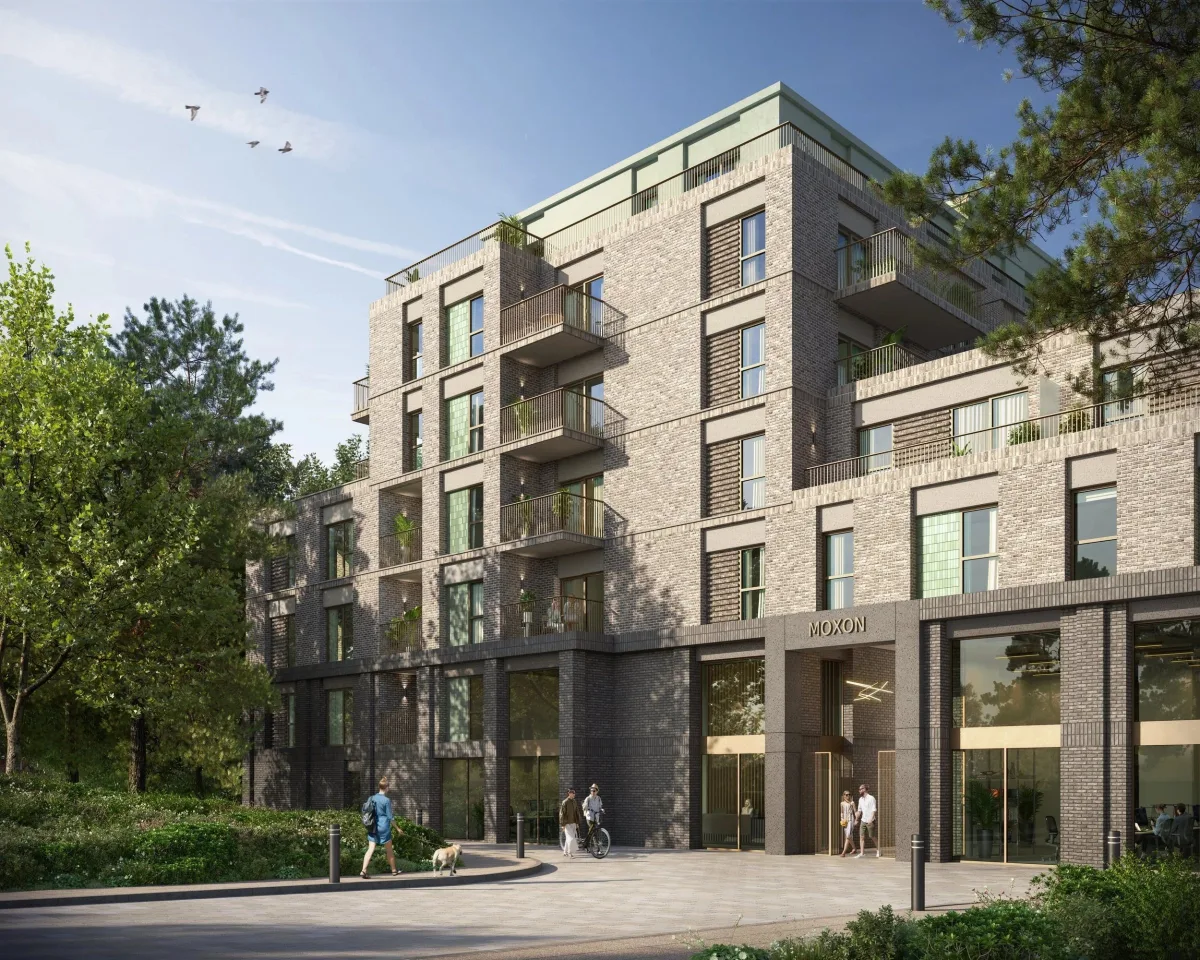 Off plan
The Moxon
Barnet, London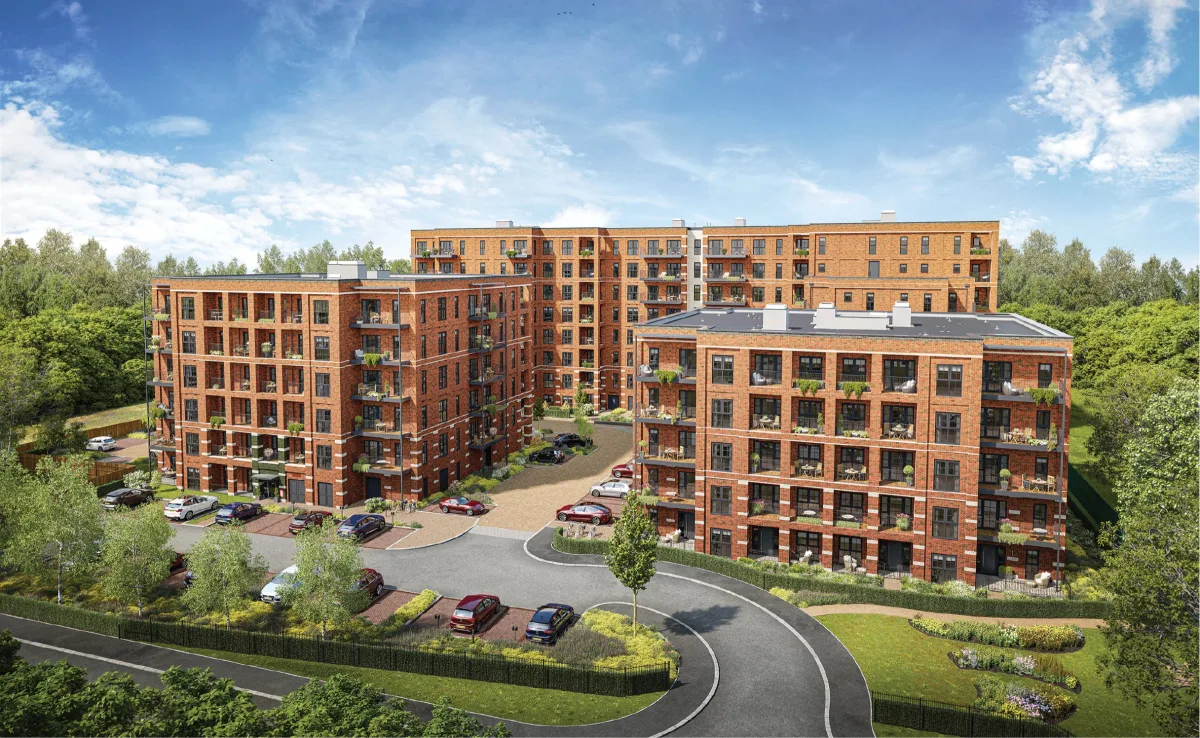 Off plan
Claremont Quarter
Barnet, London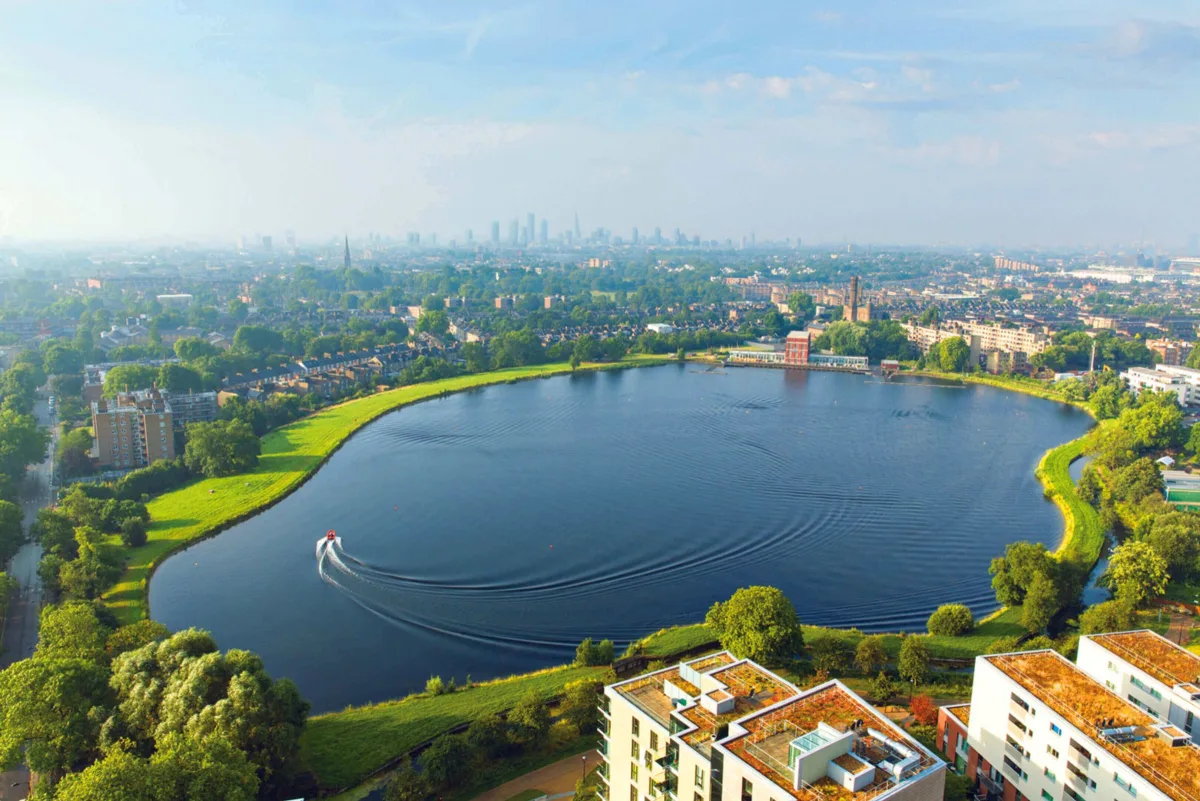 Ready to move in
Woodberry Down
Hackney, London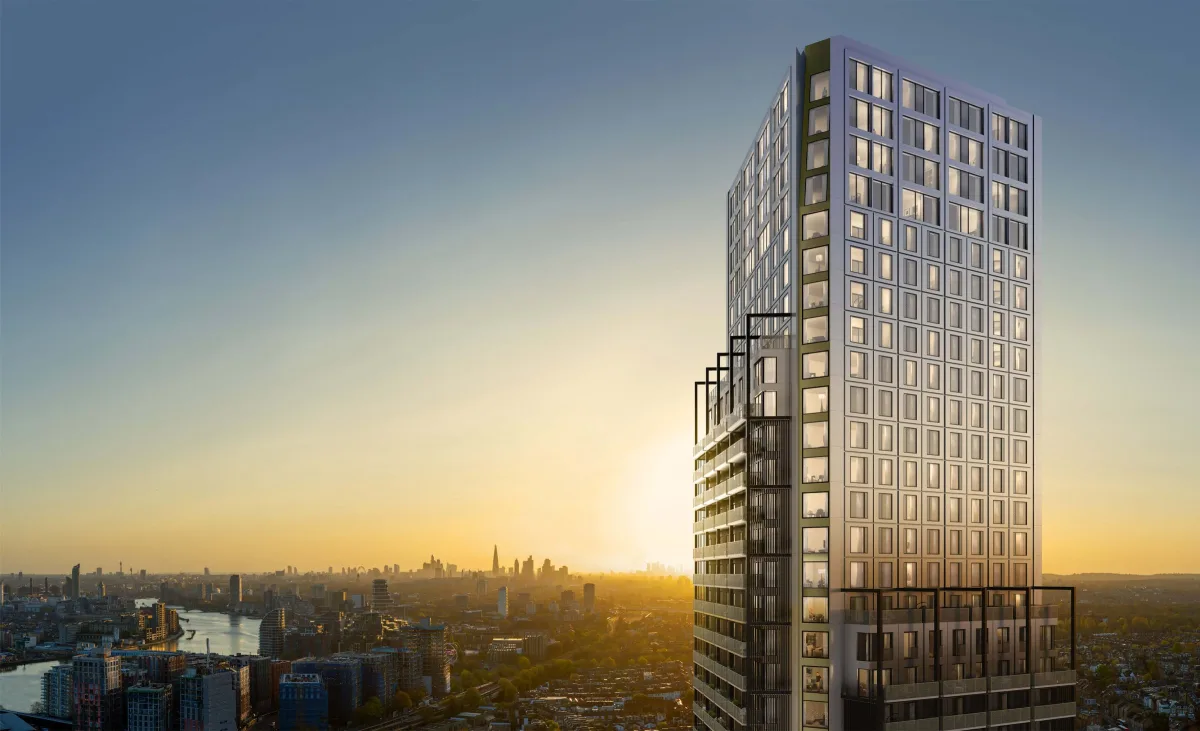 Off plan
Wandsworth Mills
Wandsworth, London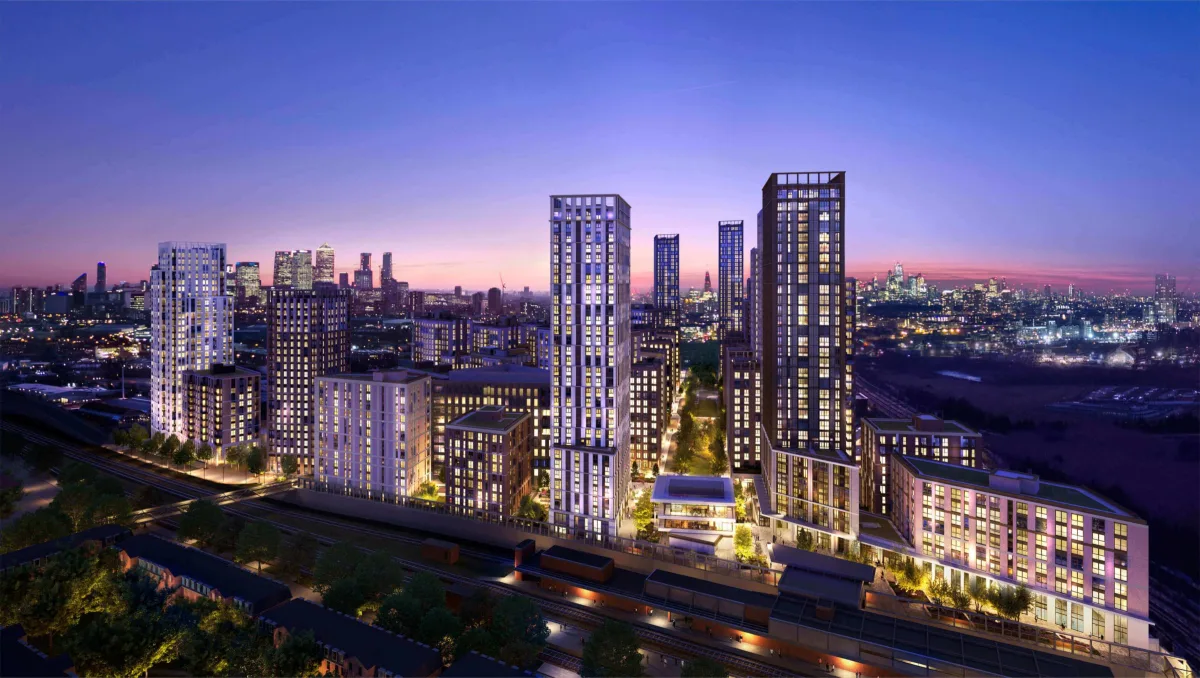 Ready to move in